"Sustainability Engineering: From Environmental Compliance to Competitive Advantage"
We provide rigorous, measurable and results-oriented environmental engineering solutions. We help companies in the agri-food sector and international trade to guarantee their operational continuity, comply with EU regulations, reduce input costs and secure their export channels.

1. Corporate Sustainability, Governance and Compliance (ESG)
We support company management in integrating ESG (Environmental, Social and Governance) criteria into their business strategy, ensuring compliance with European regulations and facilitating access to investment.
Sustainability Reporting and the CSRD Directive: Preparation and structuring of non-financial disclosure statements in line with European standards (ESRS), ensuring reports that are auditable and can be incorporated into annual reports.
Double Materiality Analysis: Identification and assessment of the company's impacts on the environment and society, as well as the financial risks and opportunities that ESG factors represent for the business.
EU Green Taxonomy: Classification and identification of economically sustainable activities to enable access to green financing, European grants and banking benefits.
Corporate Net-Zero Strategies (SBTi): Design of medium- and long-term decarbonisation plans with science-based targets to achieve climate neutrality.
2. Sustainability for International Trade (Import/Export)
We ensure smooth operations at customs and throughout the international supply chain in the face of new EU legislative restrictions.
Compliance with the EU Deforestation Regulation (EUDR): Risk analysis, geolocation of plots at origin and preparation of the due diligence dossier required for marketing products within the EU.
Carbon Border Adjustment Mechanism (CBAM): Technical advice and reporting of embedded emissions for importers and exporters of regulated goods.
ESG Audit and Approval of Suppliers at Origin: Assessment of the social and environmental profile of international suppliers under European due diligence directives (CSDDD), mitigating reputational and operational risks at source.
Logistics and Product Carbon Footprint (Scopes 1, 2 and 3): Detailed calculation per batch, container or kilogram of product, verified in accordance with GHG Protocol and ISO 14064 standards.
3. Footprint Engineering (Water and Carbon) for the Primary Sector and Industry
We optimise the use of agricultural and industrial inputs through precision measurement, turning environmental performance into direct cost savings.
Water Footprint Calculation and Engineering (ISO 14046 / WFN)
Comprehensive Assessment of Green, Blue and Grey Water Footprints: Quantitative diagnosis of water consumed (rainwater and irrigation water) and of the water required to assimilate the load of fertilisers and plant protection treatments.
Irrigation Efficiency and Engineering Plans: Adjustment of water allocations based on agro-climatic profile, water balance and phenological stage to maximise production per unit consumed.
Water Certification for Major Retailers: Obtaining verifiable indicators to meet the requirements of European retail chains (SPRING, GLOBALG.A.P.).
Agricultural Carbon Footprint Calculation and Input Efficiency
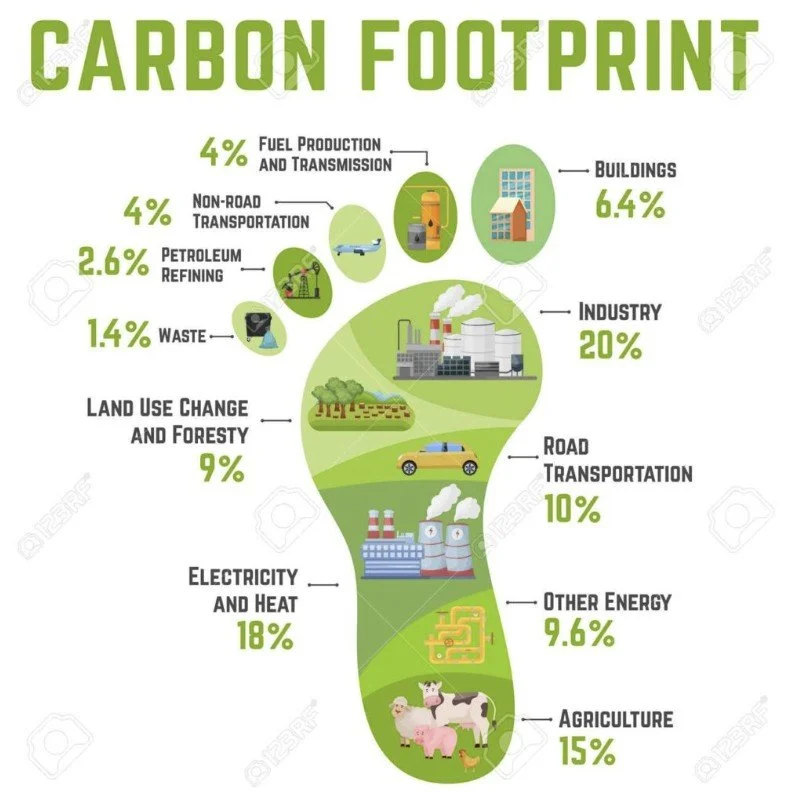
Calculation of Emissions per Hectare and Kilogram of Product: Rigorous measurement of emissions associated with the use of nitrogen fertilisers, tillage, fuels and pumping systems.
Optimisation of Fertilisation Plans: Reduction of synthetic fertiliser costs and minimisation of direct emissions.
Soil Valorisation and Regenerative Agriculture: Assessment of soil organic carbon sequestration capacity in preparing the farm for climate credit schemes or CAP incentives.